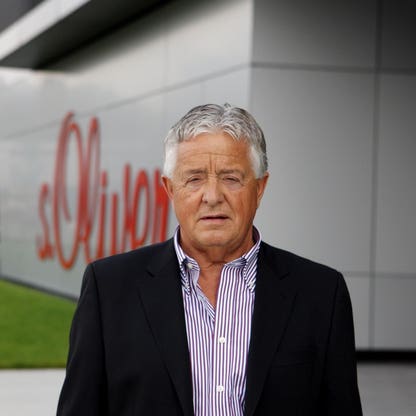
The fashion world is often characterized by fleeting trends and fierce competition, yet some entrepreneurs manage to carve out legacies that stand the test of time. One such visionary is Bernd Freier, the German founder of the global fashion brand s.Oliver. His journey from a modest clothing store in Würzburg to a multi-billion-dollar empire is a testament to unwavering entrepreneurial spirit, strategic foresight, and an astute understanding of consumer desires. Today, the conversation around Freier frequently turns to his remarkable financial achievements, with his substantial wealth reflecting the immense success of his brand. Understanding Bernd Freier net worth provides a window into the scale of s.Oliver's impact on the global fashion landscape.
From Würzburg to Worldwide: The Birth of a Fashion Vision
Bernd Freier's story began in 1969, not in a bustling fashion capital, but in the relatively quiet city of Würzburg, Germany. Remarkably, Freier was only 12 years old when he opened his very first clothing store. This incredibly early start highlights an innate entrepreneurial drive and a precocious grasp of commerce that would define his career. He christened his nascent venture "Sir Oliver," a name inspired by the resilient hero of Charles Dickens' classic novel, Oliver Twist. The "Sir" prefix was a deliberate nod to the sophisticated London fashion scene, imbuing the brand with an aspirational, international flair right from its inception.
Initially, Sir Oliver focused on a simple yet effective concept: mix-and-match casual wear. This approach resonated with the fashion sensibilities of the era, offering versatility and affordability to a burgeoning market. What began as a local boutique quickly showed signs of a much larger potential, driven by Freier's hands-on approach and keen eye for what customers truly wanted. For a deeper dive into the brand's formative years, you can explore From Sir Oliver to Global Giant: Bernd Freier's Fashion Empire.
Pivotal Moments: Strategic Sourcing and Brand Evolution
The early 1970s presented Freier with significant challenges, particularly concerning reliable suppliers. Rather than succumbing to these obstacles, he demonstrated an extraordinary level of initiative and strategic thinking. In 1974, he embarked on a groundbreaking journey to India to negotiate directly with textile manufacturers. This bold move was transformative, allowing s.Oliver (then Sir Oliver) to secure timely deliveries, ensure consistent product quality, and establish a direct supply chain that was years ahead of its time. This foresight not only streamlined operations but also provided a competitive edge that fueled rapid growth.
By 1978, the brand underwent a crucial rebranding. Following a legal dispute over the use of "Sir," the company officially became s.Oliver. This change, born out of necessity, ironically solidified the brand's modern and distinct identity, setting the stage for its subsequent expansion. Under Freier's astute leadership, s.Oliver diversified its product range far beyond casual wear. The brand expanded into a comprehensive lifestyle offering, including:
- Underwear
- Beachwear
- Nightwear
- Evening attire and sophisticated collections
- Trend-focused sub-labels catering to various market segments
This relentless diversification showcased Freier's deep understanding of consumer needs and market dynamics. By 1998, s.Oliver made its first foray beyond German borders, opening an international store in Austria. This was just the beginning of its global footprint. Today, s.Oliver boasts an impressive network of over 700 stores and partner locations across more than 20 countries, generating annual sales approximating a staggering $1.5 billion. Beyond retail, s.Oliver has also been a prominent sponsor of German sports, particularly soccer and basketball, further cementing its brand recognition and appeal. To learn more about the scale of his success, read Bernd Freier: The Visionary Founder Behind s.Oliver's $1.5B Sales.
Bernd Freier's Net Worth: A Testament to Enduring Success
The remarkable trajectory of s.Oliver under Bernd Freier's guidance directly translates into his significant personal wealth. As of January 15, 2025, Forbes estimated Bernd Freier net worth at an impressive $1.5 billion, placing him firmly among the world's billionaires. This substantial figure is primarily derived from his ownership of the s.Oliver group, a testament to the immense value he created and sustained over decades.
Such a valuation is not merely a number; it reflects several key factors inherent in s.Oliver's business model:
- Strong Brand Equity: s.Oliver has cultivated a reputation for quality, contemporary design, and accessibility, building a loyal customer base.
- Global Reach and Distribution: With hundreds of stores and a presence in numerous countries, the brand has diversified its revenue streams and minimized regional market risks.
- Consistent Revenue Generation: Annual sales figures of $1.5 billion highlight a robust operational framework capable of delivering consistent financial performance.
- Strategic Diversification: The broad product portfolio ensures resilience against shifts in specific fashion niches, appealing to a wider demographic.
For aspiring entrepreneurs, Freier's journey offers invaluable lessons. His early decision to directly manage the supply chain, his adaptability in rebranding, and his relentless pursuit of market expansion are all practical steps that contributed to building such a monumental net worth. It underscores the importance of a long-term vision coupled with a willingness to adapt and innovate in a dynamic industry.
Leadership Transitions and Lasting Legacy
Bernd Freier's leadership style has also been marked by periods of transition, reflecting a pragmatic approach to governance and succession planning. He initially stepped down as CEO in 2014, signaling a potential shift in day-to-day operational control. However, he resumed the role in 2018, possibly to steer the company through specific strategic phases or challenges. By 2019, he stepped down once more, indicating a carefully managed process of relinquishing direct operational control while likely retaining a significant advisory or ownership influence.
These transitions speak volumes about Freier's commitment to the long-term health and adaptability of s.Oliver. They suggest a leader who understands the importance of injecting new perspectives and empowering future generations, even as he remains the foundational visionary. His son, Christian Freier, has taken an active role on s.Oliver's advisory council, ensuring a familial continuity in the company's strategic direction and hinting at a carefully considered succession plan that blends tradition with modern corporate governance. Despite his immense public success, Freier has consistently maintained a low personal profile, preferring to let the success of s.Oliver speak for itself. This discretion has allowed him to focus intensely on his professional endeavors, free from public scrutiny.
Conclusion
The story of Bernd Freier is far more than just a tale of immense wealth; it is a compelling narrative of entrepreneurial vision, relentless execution, and strategic adaptability. From a single store named "Sir Oliver" to a global fashion powerhouse with over $1.5 billion in annual sales, Freier built an empire that continues to thrive. His estimated Bernd Freier net worth of $1.5 billion stands as a powerful testament to the value he created, not just in financial terms, but in shaping the fashion sensibilities of millions across the globe. His legacy is one of innovation, bold decision-making, and the enduring power of a truly visionary founder.
