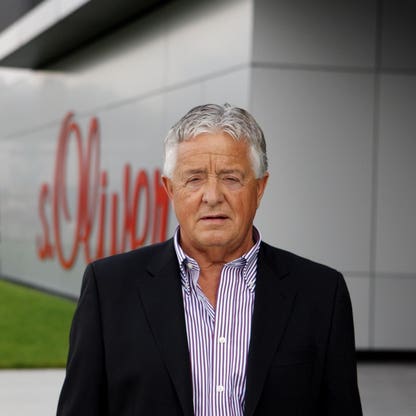
Bernd Freier: The Visionary Founder Behind s.Oliver's $1.5B Sales and a Remarkable Net Worth
In the annals of European fashion, few names resonate with the same entrepreneurial spirit and enduring success as
Bernd Freier. The German visionary, best known as the founder of the global fashion powerhouse s.Oliver, has sculpted an empire from humble beginnings, transforming a single boutique into a brand with annual sales approximating $1.5 billion. This journey not only underscores a remarkable business acumen but also positions
Bernd Freier net worth as a testament to strategic innovation and unwavering dedication.
His story is one of bold decisions, market foresight, and a relentless pursuit of excellence that has captivated consumers across more than 20 countries. From a challenging start to overcoming supply chain hurdles and navigating leadership transitions, Freier's narrative offers invaluable lessons for aspiring entrepreneurs and established business leaders alike.
The Genesis of a Fashion Empire: From Würzburg to Global Recognition
The inception of s.Oliver is a classic tale of a groundbreaking idea taking root in fertile ground, driven by an ambitious young entrepreneur.
The Humble Beginnings: Sir Oliver in 1969
Bernd Freier's entrepreneurial journey began remarkably early. In 1969, at what the records indicate was the astonishing age of 12, he opened his very first clothing store in Würzburg, Germany. He christened it "Sir Oliver," a name inspired by the enduring hero of Charles Dickens' classic novel, "Oliver Twist." The addition of "Sir" was a deliberate choice, reflecting a desire to infuse the boutique with the sophisticated, international flair of the London fashion scene, even from its provincial German base.
Initially, Sir Oliver specialized in "mix-and-match" casual wear – a smart strategy for the time, allowing customers flexibility and encouraging multiple purchases. This early focus on versatile, accessible fashion laid the groundwork for s.Oliver's future brand identity. It demonstrated Freier's innate understanding of consumer needs and his ability to identify market gaps. This youthful venture speaks volumes about Freier’s precocious talent and unwavering determination.
Overcoming Obstacles and Strategic Pivots
The path to building a fashion empire is rarely smooth, and Freier's journey was no exception. The 1970s presented significant challenges, particularly concerning reliable suppliers. Rather than accepting limitations, Freier exhibited a proactive and daring spirit. In 1974, he embarked on a pivotal trip to India, choosing to negotiate directly with textile manufacturers. This audacious move ensured timely deliveries, superior quality control, and established a direct supply chain that would become a cornerstone of s.Oliver's operational efficiency. It was a strategic masterstroke that set a precedent for vertical integration and global sourcing long before it became a widespread industry practice.
By 1978, the brand faced another hurdle: a legal dispute over the use of "Sir." Rather than hindering progress, this challenge prompted a rebranding that ultimately propelled the company forward. "Sir Oliver" was shortened and modernized to "s.Oliver," a name that would soon become synonymous with contemporary, accessible fashion throughout Europe and beyond. This pivot showcased Freier’s adaptability and willingness to evolve, turning a potential setback into an opportunity for brand refinement. For more on this fascinating transition, explore
From Sir Oliver to Global Giant: Bernd Freier's Fashion Empire.
Expanding Horizons: Diversification and International Growth
Under Bernd Freier's astute leadership, s.Oliver’s growth trajectory was characterized by strategic diversification and an ambitious international expansion.
The initial focus on casual wear gradually broadened to encompass a comprehensive lifestyle offering. The brand cleverly expanded its product range to include underwear, beachwear, and nightwear, recognizing the potential to dress customers for every aspect of their lives. Furthermore, s.Oliver introduced sub-labels and trend-focused collections, along with evening wear, demonstrating a keen understanding of various market segments and consumer preferences. This ability to diversify while maintaining a cohesive brand identity was crucial to its enduring appeal and market penetration. It wasn't just about selling clothes; it was about curating a lifestyle.
By 1998, s.Oliver made its first foray beyond German borders, opening an international store in Austria. This marked the beginning of a rapid global expansion. Today, s.Oliver boasts an impressive network of over 700 stores and partner locations spread across more than 20 countries worldwide. This extensive retail footprint, coupled with a robust online presence, contributes significantly to the company's remarkable annual sales of approximately $1.5 billion. Such growth is a testament to Freier's vision for a truly global fashion brand.
The Financial Legacy: Understanding Bernd Freier's Net Worth
The success of s.Oliver naturally translates into a substantial personal fortune for its founder. As of recent estimates (January 15, 2025), Forbes estimates
Bernd Freier net worth at an impressive $1.5 billion, firmly placing him among the world's billionaires. This immense wealth primarily stems from his ownership of the s.Oliver brand, which he built from the ground up.
This figure is more than just a number; it represents the culmination of decades of strategic thinking, market dominance, and successful brand building. The valuation of s.Oliver, and consequently Freier's net worth, is a reflection of several critical factors:
- Market Share: s.Oliver's strong presence in key European markets.
- Brand Equity: The value and recognition associated with the s.Oliver name.
- Global Reach: Its expansive network of stores and online sales in over 20 countries.
- Diverse Product Portfolio: The wide range of clothing and accessories catering to different consumer needs.
- Operational Efficiency: The robust supply chain and business model Freier established.
Understanding
Bernd Freier net worth means appreciating the intricacies of building a sustainable and highly profitable global enterprise. It serves as an inspiration for how visionary leadership can translate into significant financial success. For a deeper dive into this incredible financial achievement, read
Bernd Freier Net Worth: The Billion-Dollar s.Oliver Success Story.
Leadership, Legacy, and Family Continuity
Bernd Freier's story is not just about financial success; it's also about innovative leadership and the strategic planning of a lasting legacy.
Navigating Leadership Transitions
Throughout s.Oliver's history, Freier demonstrated a unique approach to leadership, characterized by flexibility and a focus on the company's long-term health. He stepped down as CEO in 2014, a move that allowed new perspectives to shape the brand. However, he resumed the role in 2018, stepping back in to guide the company through a period where his direct leadership was deemed essential. He then transitioned out of the CEO position once more in 2019. These shifts were not signs of indecision but rather strategic maneuvers, reflecting his commitment to adapting leadership to meet the evolving needs of the company. It showcased a leader who prioritized the organization's welfare above personal ego, knowing when to lead from the front and when to empower others.
A Private Persona, A Public Success
Despite his public business achievements, Bernd Freier has consistently maintained a low personal profile. Details about his early family life and education remain private, reflecting a preference for focusing on professional endeavors without the intrusion of public scrutiny. This discretion has allowed him to channel his energy into building and refining s.Oliver.
Freier is married and has two children. Demonstrating a thoughtful approach to continuity and legacy, his son, Christian Freier, has taken a significant role on s.Oliver's advisory council. This ensures a familial presence in the company's governance, blending fresh perspectives with the deep-rooted values established by its founder. This strategic move helps secure the brand's future, ensuring that the legacy of innovation and market acumen continues to thrive for generations.
Lessons from a Visionary: Insights for Aspiring Entrepreneurs
Bernd Freier's career offers a masterclass in entrepreneurship. Here are some key takeaways:
- Early Vision & Bold Moves: Freier's willingness to start young and his ambitious naming of "Sir Oliver" illustrate the power of having a grand vision from the outset.
- Resilience & Adaptability: Overcoming supplier challenges by directly sourcing from India and rebranding due to a legal dispute demonstrate remarkable resilience and the ability to turn obstacles into opportunities.
- Strategic Diversification: Expanding the product line beyond casual wear into lifestyle segments like underwear, beachwear, and sub-labels was crucial for sustained growth and market relevance.
- Global Mindset: From early international sourcing to opening stores abroad, Freier always thought beyond local borders, essential for building a multi-billion-dollar enterprise.
- Leadership Flexibility: His willingness to step in and out of the CEO role highlights a commitment to the company's best interests and adapting to changing market dynamics.
- Brand Building Through Association: s.Oliver's significant sponsorship of German sports, including soccer and basketball, further enhanced brand visibility and fostered a strong, positive public image, associating the brand with excellence and national pride.
Conclusion
Bernd Freier's journey from a small Würzburg boutique to the helm of a $1.5 billion global fashion empire is a compelling narrative of entrepreneurial triumph. His early vision, strategic prowess, and unwavering dedication not only built s.Oliver into an international powerhouse but also cemented his place as a leading figure in the fashion industry. The estimated
Bernd Freier net worth of $1.5 billion stands as a powerful symbol of this extraordinary success. His legacy is not just in the financial figures or the countless garments sold, but in the enduring business model he crafted and the inspirational story of a visionary who dared to dream big and relentlessly pursued his goals. His impact on the global fashion landscape will undoubtedly continue for years to come.